What Grassroots Engagement Looks Like in Ekiti State
Field Monitoring Insights from the #myLGA Project in Ado and Ikere LGAs
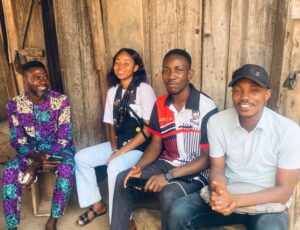
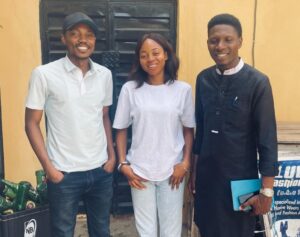
On February 28, 2026, Enough is Enough (EiE) Nigeria in partnership with Peacebuilding & Human Development Center and New Initiative for Social Development conducted a field monitoring visit to project champions and volunteers in Ekiti State as part of the coordination and monitoring activities under the #myLGA Project.
The project’s field coordinator visited champions and volunteers in Ado LGA and Ikere LGA in person. Champions in other LGAs across the state were reached by phone, ensuring that the monitoring covered the full breadth of the project’s footprint without leaving anyone out.
The conversations offered a ground-level view of how the project is shaping citizen awareness, what is working, and what barriers still exist in strengthening local governance participation.
A Shift in How Citizens See Local Government
The most encouraging finding: citizens are changing their minds about local government. Before the project, champions regularly encountered the same dismissal – local government doesn’t matter, the state controls everything, there’s nothing to gain here. That worldview is starting to crack. People are asking questions about budgets, responsibilities, and their rights as citizens.
Another clear win documented during the monitoring visit is the impact of the #myLGA radio programme. Champions across LGAs consistently reported that broadcasts are resonating. Listeners are following up after broadcasts, community members unreachable through events are being reached in their homes and shops, and champions report arriving at communities where people already know the project’s name and are curious rather than suspicious.
The Issues That Persist
Champions were candid about the barriers that remain. Trust in governance institutions, and in the project itself takes time to earn. Many citizens initially assumed the engagement was politically motivated, and champions had to explain their purpose repeatedly before people opened up.
Accessing local government leadership has also become harder. With elections approaching, many officials are occupied with campaign activities, limiting the institutional collaboration the project needs. And even when LGAs are functional, citizens still tend to see them as closed off and unresponsive, a perception shaped by years of experience.

Grassroots associations – artisan groups, market women, youth unions were reported to be slow to respond to meeting requests, often disrupting outreach schedules and delaying planned engagements. A significant number of citizens also still arrive at engagements expecting money or food items, a product of a political culture in which transactional participation is the norm.
The project’s informational leaflets faced similar early friction: low reading culture, suspicion of printed materials, and a preference for face-to-face explanation. But champions noted that attitudes shifted once people actually read them, with citizens returning to commend the content and encourage others. The lesson: printed materials work, but as part of a blended approach alongside radio and direct dialogue, not as a standalone tool.
What Champions Believe Should Happen Next
Champions were clear on two things. First, the project needs more time. Behavioural change at the community level doesn’t happen in one engagement cycle. What’s been started needs room to consolidate. Second, citizen awareness alone isn’t sufficient. LGA staff need capacity building too. If institutions can’t respond to more informed, more engaged citizens, the goodwill the project has built hits a wall.
The February 28 monitoring visit confirms that #myLGA is generating real impact in Ekiti State. Champions reported growing public curiosity about governance, increased conversations about accountability, and stronger visibility for local government issues.
At the same time, structural barriers – political distractions, institutional inaccessibility, and long-standing distrust of governance systems continue to shape how citizens interact with local institutions. These findings will directly inform how the project deepens its work in Ekiti State in the months ahead.
The #myLGA project is implemented by EiE Nigeria in partnership with the Peacebuilding & Human Development (PHD) Center and New Initiative for Social Development (NSID), with support from the Nigeria Civil Society Situation Room and the Foreign, Commonwealth & Development Office (FCDO).