What Citizens Are Saying About Local Governance in Osun State
Insights from the #myLGA Focus Group Discussions in Osogbo
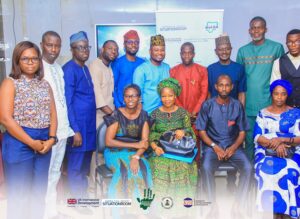
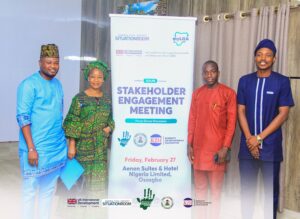
On February 27, 2026, Enough is Enough (EiE) Nigeria and Kimpact Development Initiative (KDI) brought together 31 stakeholders (local government staff, civil society actors, journalists, community leaders, youth representatives, and engaged citizens) in Osogbo, Osun State for two Focus Group Discussion (FGD) sessions under the #myLGA: Local Governance & Citizen Impact Project.
The conversations that followed were candid, revealing, and at times uncomfortable. They painted a picture of local governance in crisis and pointed toward what it will take to fix it.
Starting with the Data
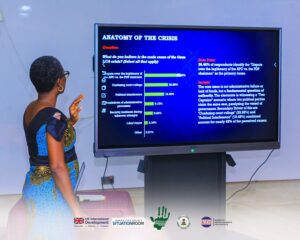
The FGDs didn’t happen in a vacuum. Before the discussions, the #myLGA project conducted a statewide citizen perception survey, reaching 1,520 respondents across all 30 Local Government Areas in Osun State. The FGDs were convened to validate those findings, probe their root causes, and surface practical paths forward.
What the survey showed was striking: low citizen satisfaction with local government performance, widespread perception of political interference, limited awareness of local government budgets and responsibilities, and declining trust in grassroots institutions. Participants in the room reacted strongly, particularly to findings showing that many citizens couldn’t name their local government chairman or explain what a local government is actually supposed to do.
Local Government Is Open, But It Is Empty
That line offered by one participant during the discussions captures the central tension the FGDs exposed. Structurally, local governments in Osun State are still functioning. Staff report to work. Administrative processes continue. But meaningful service delivery has been hollowed out.
Participants pointed to several interconnected reasons. The crisis is fundamentally political: disputes over who controls and administers local government councils have created a governance vacuum at the grassroots level. Executive interference, contested court judgments, and conflicting constitutional interpretations have compounded the uncertainty.
Financially, local governments are struggling. Federation allocations remain uncertain, budget management lacks transparency, and what funds do exist are largely consumed by salary payments, leaving little room for the roads, healthcare, sanitation, and market infrastructure that communities actually need.
When Local Government Fails, Citizens Look Elsewhere
One of the most telling themes to emerge was what happens when citizens lose faith in local institutions: they stop engaging with them entirely.
Participants noted that prolonged dysfunction has driven many people to look to state or federal institutions for services that are constitutionally local government responsibilities. This disengagement is both a symptom of the crisis and a factor that deepens it – the less citizens participate, the harder it becomes to hold local governments accountable.
For civil servants navigating this environment, the pressure is real. Several described the difficulty of maintaining administrative continuity inside politicised structures, with little clarity about how long the current situation will last.
Civil society organisations were not exempt from scrutiny either. Participants raised concerns about the vulnerability of some CSOs to partisan influence, calling for stronger ethical standards and greater transparency across the sector.
What Participants Want to See Change
Despite the weight of the challenges discussed, the FGDs were not without optimism. Participants came with ideas and proposals, not just complaints.
Key recommendations included:
- Building a citizen-led advocacy coalition to demand transparency and accountability from local governments.
- Expanding civic education so that more Nigerians understand what local government is supposed to do and can hold it to that standard.
- Strengthening legislative oversight and institutional accountability mechanisms.
- Ensuring that local government elections are transparent and credible.
- Advocating for genuine financial and administrative autonomy for local governments.
The thread running through all of these recommendations was the same: sustained, organised citizen engagement is what drives long-term governance reform.
The #myLGA project exists precisely because local governance is where people’s daily lives are most directly affected and where civic participation is most often neglected. Through research, public engagement, and advocacy, the project is working to shift that dynamic in Osun State and beyond.
The Osogbo FGDs are one part of a larger process. The findings will inform advocacy priorities, shape future engagement, and contribute to a growing body of evidence about what local governance looks like on the ground and what it could look like with meaningful reform.
The #myLGA project is implemented by EiE Nigeria in partnership with Kimpact Development Initiative, with support from the Nigeria Civil Society Situation Room and the Foreign, Commonwealth & Development Office (FCDO).